Breaking the Stigma: A Transformational Approach to Mental Health Care
Most of us are, unfortunately, very familiar with the stereotypical
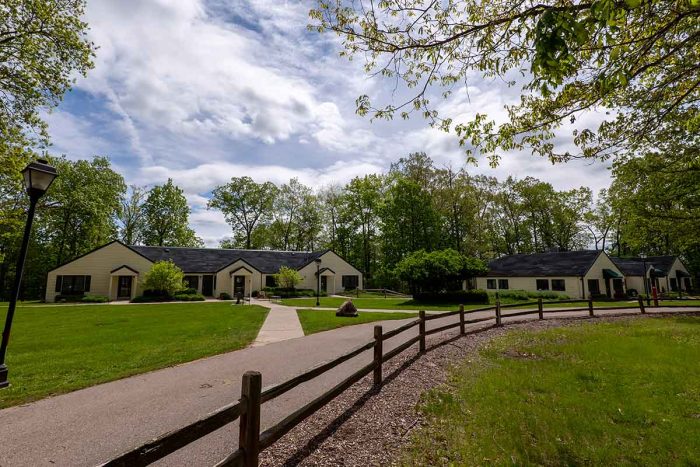
At Rose Hill Center, we provide compassionate, structured residential treatment for individuals facing serious mental health challenges. Our specialized care supports those with schizophrenia, schizoaffective disorder, major depressive disorder, bipolar disorder, borderline personality disorder, and co-occurring conditions.
Complex mental health disorders, co-occurring conditions
Adults (ages 18+)
in-network insurance, out-of-network options, self-pay
Most of us are, unfortunately, very familiar with the stereotypical

Easier referrals and greater access for residential mental health services.
We specialize in treating adults with:
Schizophrenia is a serious brain disorder that affects how a person thinks, feels, and behaves, causing a disconnect from reality. Key symptoms include hallucinations, delusions, disorganized speech and thinking, unusual motor behavior, and a reduction in emotions or motivation, which can significantly impair daily functioning.
Schizoaffective disorder is a mental health condition that is marked by a mix of schizophrenia symptoms, such as hallucinations and delusions, and mood disorder symptoms, such as depression, mania and a milder form of mania called hypomania. Hallucinations involve seeing things or hearing voices that others don’t observe. Delusions involve believing things that are not real or not true.
Depression is a mood disorder that causes a persistent feeling of sadness and loss of interest. Also called major depressive disorder or clinical depression, it affects how you feel, think and behave and can lead to a variety of emotional and physical problems. You may have trouble doing normal day-to-day activities, and sometimes you may feel as if life isn’t worth living.
Bipolar disorder, formerly called manic depression, is a mental health condition that causes extreme mood swings. These include emotional highs, also known as mania or hypomania, and lows, also known as depression. Hypomania is less extreme than mania.
Borderline personality disorder is a mental health condition that affects the way people feel about themselves and others, making it hard to function in everyday life. It includes a pattern of unstable, intense relationships, as well as impulsiveness and an unhealthy way of seeing themselves.
Our approach supports whole-person healing. Treatment includes:
CBT is a structured, goal-oriented, and short-term talk therapy (typically 5–20 sessions) that helps individuals manage mental health conditions like anxiety and depression by identifying, challenging, and replacing harmful, irrational, or negative thought patterns and behaviors. It operates on the core principle that thoughts, feelings, and behaviors are interconnected, and by changing dysfunctional thinking, one can improve emotional regulation and actions. Common techniques include cognitive restructuring, journaling, mindfulness, and exposure exercise.
DBT is a structured, evidence-based psychotherapy designed to manage intense emotions, reduce self-harm, and improve relationships by combining cognitive-behavioural techniques with mindfulness, acceptance, and validation.
Radically Open Dialectical Behavior Therapy (RO DBT) is an evidence-based treatment developed specifically for problems of overcontrol. Radical openness is the core philosophical principle and core skill in RO DBT. The term “radical openness” means there are three important aspects of emotional well-being: openness, flexibility, and social connectedness.
Experiential therapy is an action orientated, hands on therapeutic approach the uses expressive tools-such as role playing, art, music, hiking and exercise to help residents process emotions and past experiences.
Weekly one on one, confidential treatment by a licensed mental health professional who helps residents address emotional, psychological, or behavioral challenges.
Daily form of Psychotherapy where one or more mental health professionals treat a small group of clients simultaneously.
Family therapy is a form of psychotherapy that treats a family unit to improve communication, resolve conflicts, and enhance overall functioning.
The Rose Hill Foundation (RHF) is dedicated to transforming lives by serving as the fundraising partner for the Rose Hill Center (RHC), a leading residential treatment center for individuals with serious mental health illnesses.
Rose Hill Center is in network with select commercial carriers, ensuring long-term residential mental health treatment closer to home and without unnecessary barriers to care.
Your Mental Health Journey Starts Here
At Rose Hill Center, we provide compassionate residential care for individuals struggling with mental health challenges—specializing in cutting-edge treatment for schizophrenia, schizoaffective, major depressive disorder, bipolar disorder, borderline personality disorder and autism spectrum disorder.
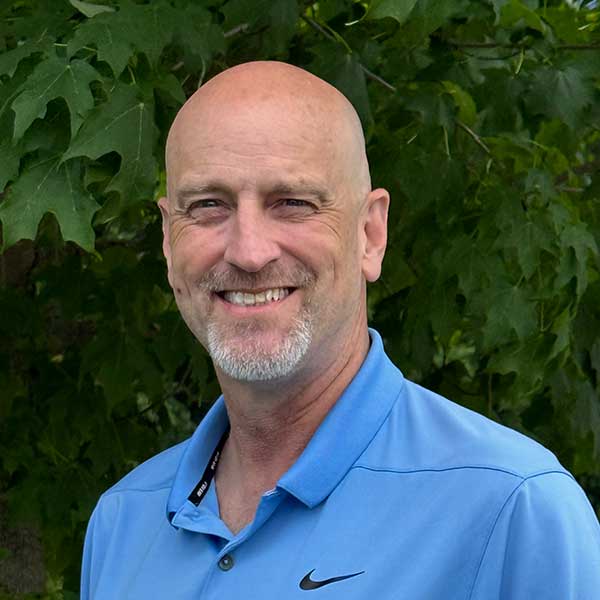
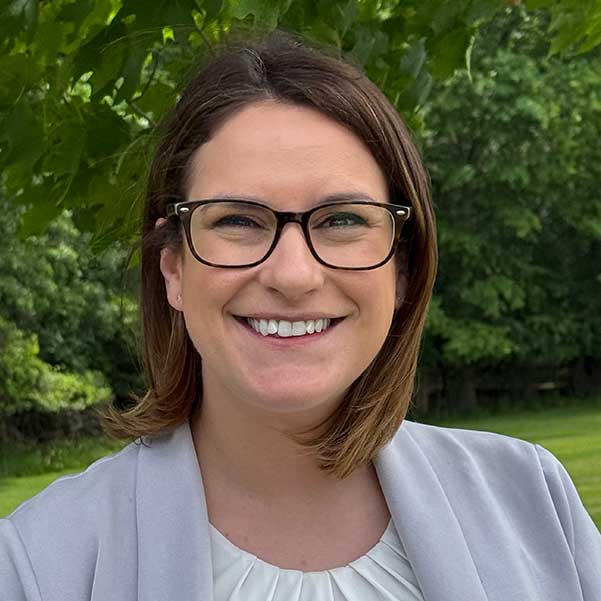
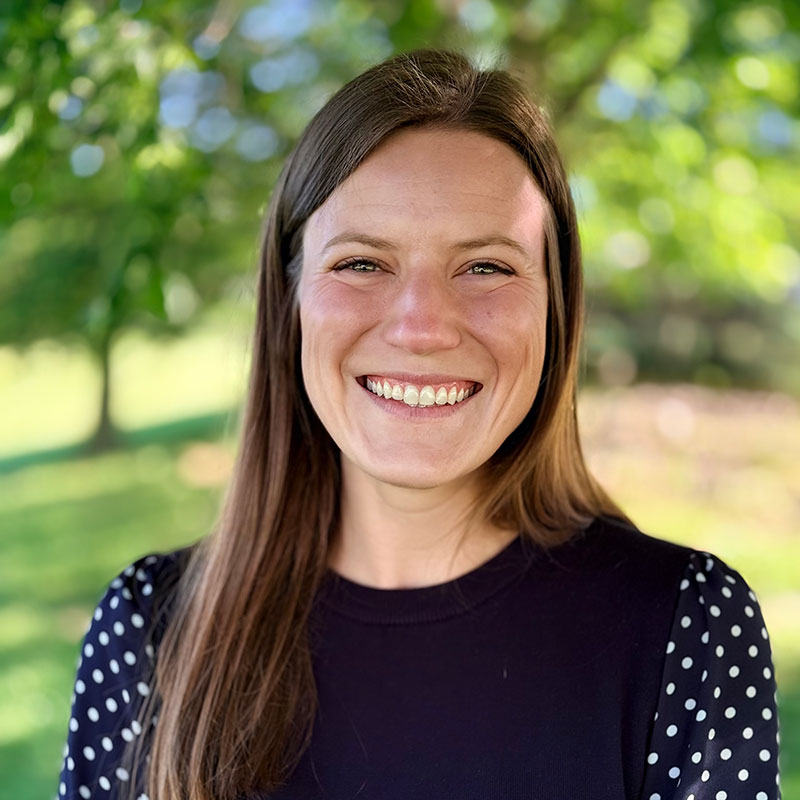
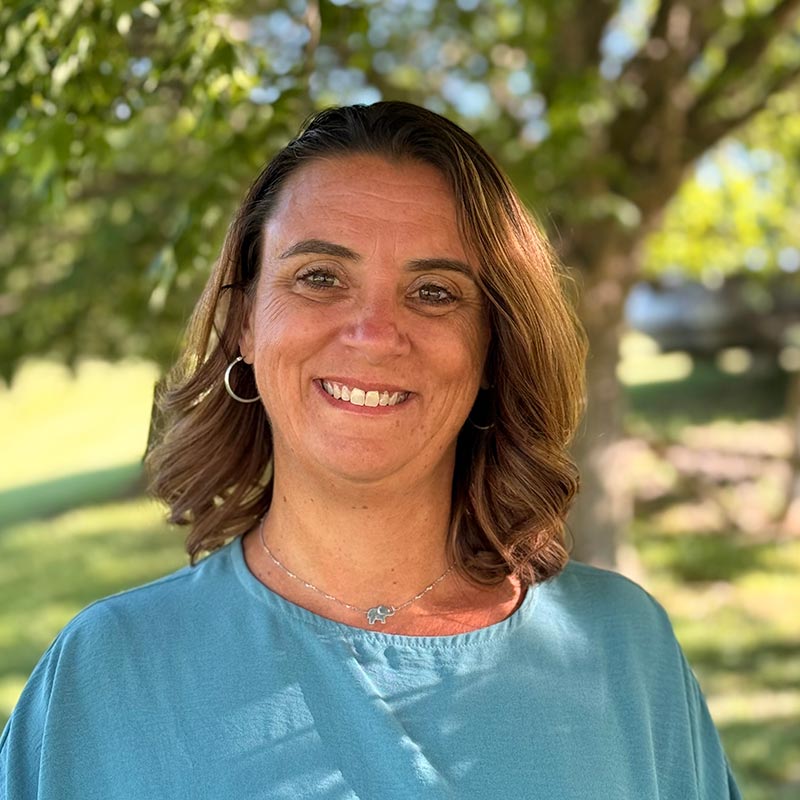
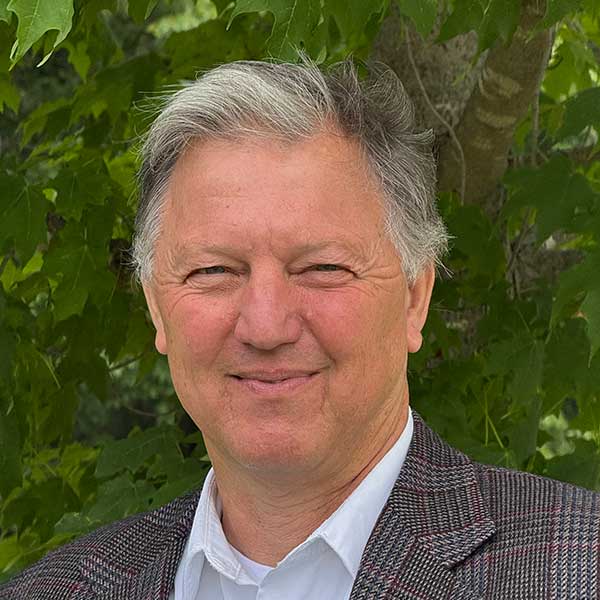
The team at Rose Hill Center is the heart of our community, fostering an environment of support, connection, and growth. With unwavering dedication, we walk alongside our residents on their journey toward healing and independence. More than professionals, our staff are mentors, advocates, and compassionate guides who believe in the potential of every individual. Through shared experiences, meaningful relationships, and a deep sense of community, we help residents rediscover their strengths and build lives filled with purpose and possibility.

James Kubicek
President and CEO

Laura Goldie
LMSW, Vice President of Clinical Operations
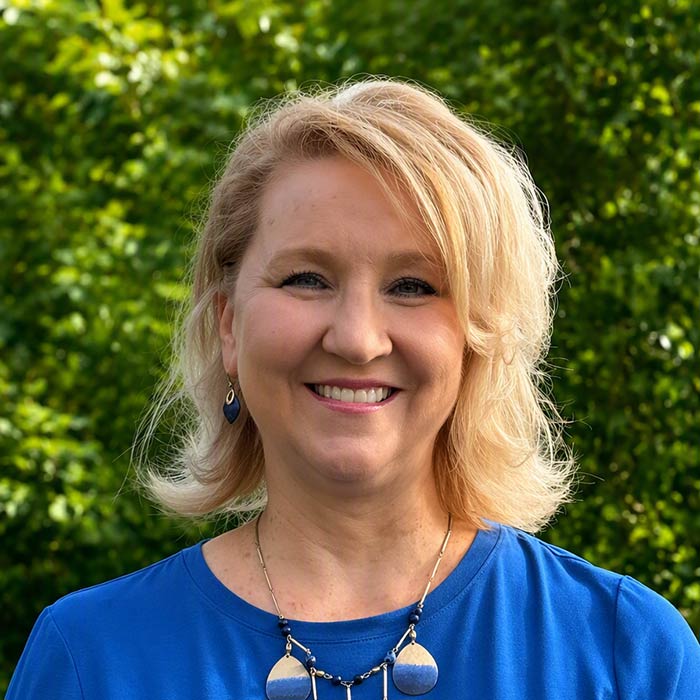
Dr. Christina Zachar
Medical Director
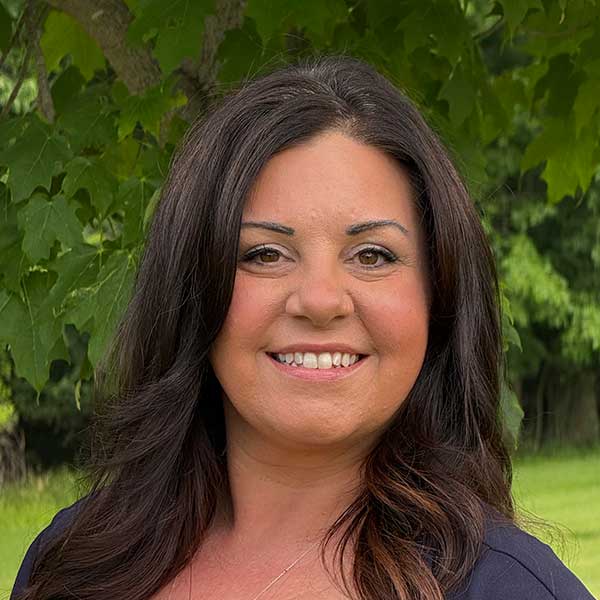
Kelli Waite
LMSW, Director of Clinical Services
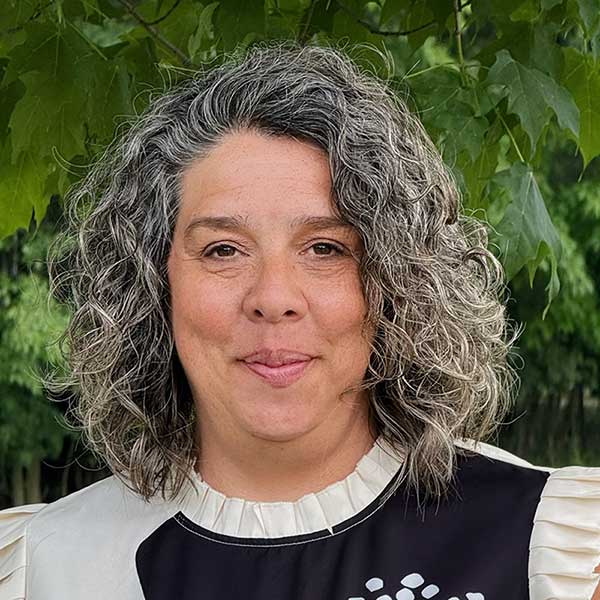
Tiffany Zalac
Director of Operations
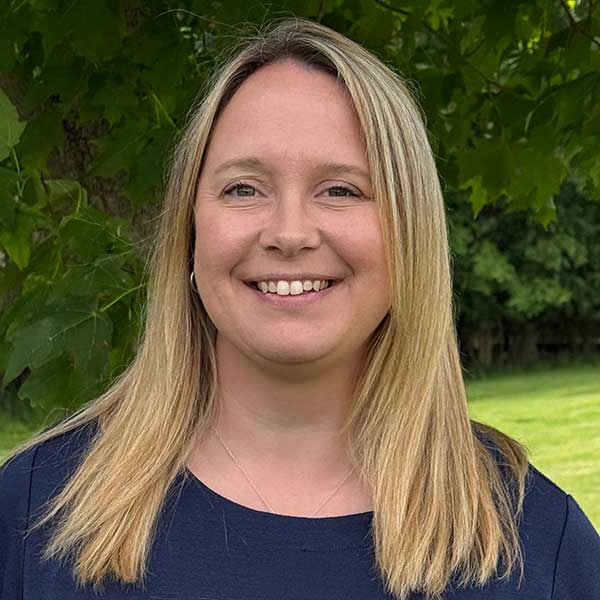
Devon Meier
Director of Philanthropy

Rebecca Fuentes
Director of Admissions
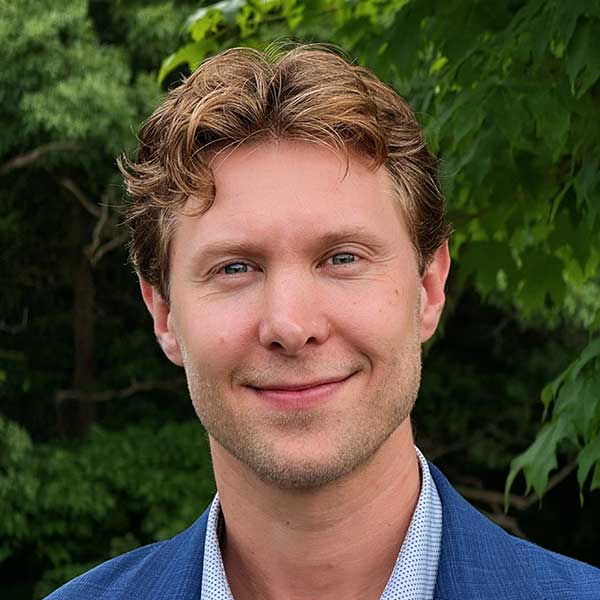
Ethan Zink
MBA, Director of Business Development

Leanne Chapman
LMSW, Marketing and Communication Manager